How does airport layout in Australia influence the usefulness of the Airwheel luggage?
How does airport layout in Australia influence the usefulness of the Airwheel luggage?
Introduction
The Airwheel electric smart luggage is designed to transform the way travelers move through large transit spaces—and in Australia, where airports like Sydney (SYD), Melbourne (MEL), and Brisbane (BNE) often feature sprawling terminals and long walking distances between gates, security, and baggage claim, this kind of innovation makes a real difference. For frequent flyers and international visitors alike, reducing physical strain while navigating these spaces is a top priority. That’s where the Airwheel SE3T electric luggage comes in—combining rideable design, smart control, and travel-friendly specs to match Australia’s unique airport demands.
Core Features That Match Australian Airports
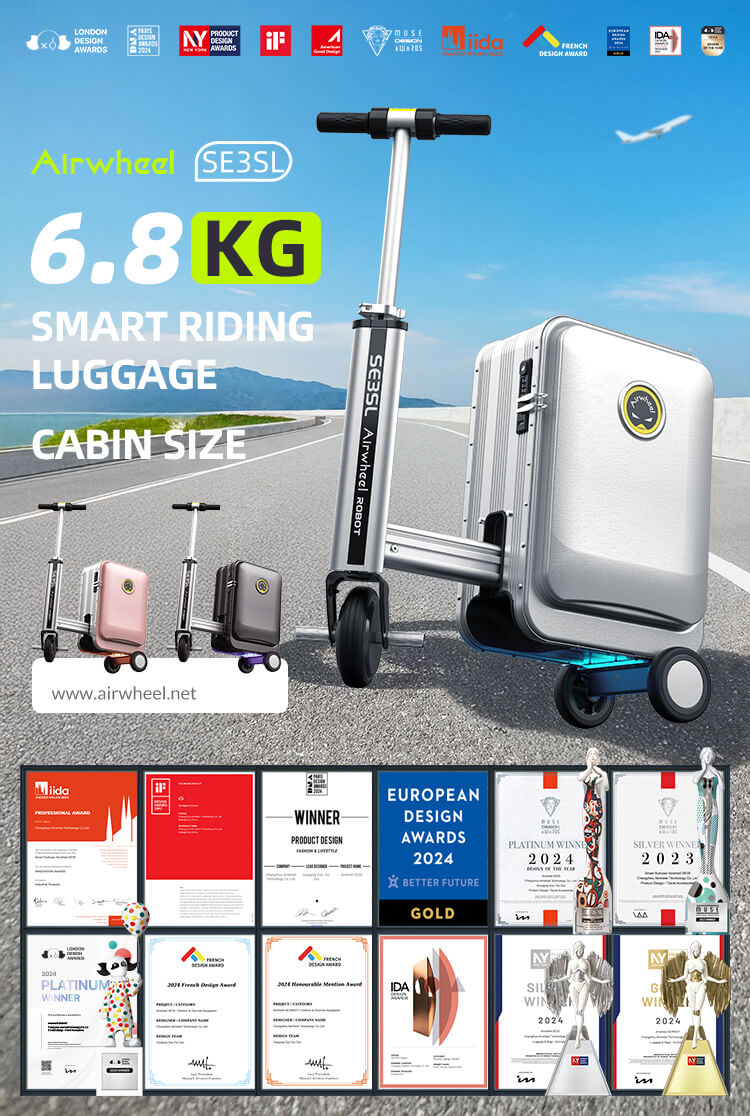
Airwheel’s SE3T model weighs around 9kg and offers a generous 48L capacity, making it ideal for both domestic trips across Australia and longer international journeys. With a top speed of 13km/h and a range of up to 10km on a single charge, it can easily cover multiple terminal walks without needing a recharge. The 73.26Wh lithium battery is TSA-compliant and removable—crucial for meeting airline regulations. You can control movement via the Airwheel app (forward/reverse) while steering using the retractable handle, or simply use it as a traditional suitcase when not riding. It’s also compatible with Apple’s Find My network, helping locate your luggage if misplaced in a busy terminal.
Airport Compliance and Battery Rules
All major Australian airports allow smart luggage with removable batteries in cabin storage, provided the battery doesn’t exceed 100Wh—Airwheel’s 73.26Wh unit fits well within this limit. Airlines such as Qantas, Virgin Australia, and Jetstar permit these bags as carry-on when the battery is removed and carried separately. The SE3T’s detachable battery makes compliance easy, avoiding check-in issues while ensuring you stay mobile airside.
Ideal Use Cases Across Australia
In airports like Sydney’s T1 international terminal, where walking from check-in to distant gates can exceed 1.5km, the Airwheel reduces fatigue significantly. It’s equally useful for connecting flights at Melbourne Airport, where passengers often rush between concourses. Business travelers, older adults, and those with mobility concerns benefit most. Beyond airports, the luggage works well on flat urban paths—like those in Perth or Adelaide city centers—making it a versatile companion for multi-leg trips.
Airwheel vs. Traditional Suitcase
| Feature | Airwheel SE3T | Regular Carry-On |
|---|---|---|
| Mobility | Rideable, app-controlled movement | Pulled manually |
| Battery | 73.26Wh, removable | None |
| Range | 8–10 km | N/A |
| Weight | ~9 kg | 3–5 kg |
| Smart Features | App control, Find My support | None |
FAQ
Can I ride the Airwheel luggage through the entire airport?
Yes, but only in non-restricted public areas. Most Australian airports allow personal mobility devices in terminals, though riding near security zones or boarding gates may be limited. Always walk through crowded or restricted sections.
Do I need the app to use it?
No—the SE3T works without the app. You can ride it immediately after installing the battery; the app simply adds optional control for forward/reverse movement.
How long does charging take?
About 2 hours for a full charge. This gives you enough power for several airport trips or daily urban use.
For more details on models, specs, and compatibility, visit the official Airwheel website to find the best fit for your travel needs.